English guide
Hungarian drinks
Pálinka, Tokaji, fröccs, Unicum and a surprisingly good craft beer scene. What Hungarians actually drink, how they drink it, and the customs that come with it — written by a Hungarian drinks magazine.
The five things worth knowing
1. Pálinka is the national spirit
Pálinka is fruit brandy: distilled from fruit grown in Hungary, with no added sugar, flavouring or colouring. That is not marketing — it is a protected designation under EU law, and spirits that add sugar or aroma legally cannot use the name. Most bottles are 37.5–50% ABV, usually 40%. Apricot (kajszibarack) is the friendliest introduction; plum (szilva) is deeper and spicier. Drink it at around 16–18 °C from a tulip glass, in small sips. Freezing it destroys the fruit aroma, which is the entire point.
2. Wine matters more than outsiders expect
Hungary has 22 wine regions across three broad groups: Transdanubian (Villány, Szekszárd, the Balaton uplands, Sopron), Northern (Eger, Mátra, Tokaj, Bükk) and the Great Plain (Kunság, Csongrád, Hajós-Baja). Reds centre on Villány, Szekszárd and Eger; whites on Tokaj, Balaton and Mátra. The two names to know are Tokaji aszú, a sweet wine made from botrytised grapes, and Egri Bikavér — literally "bull's blood of Eger" — a red blend. Dry furmint from Tokaj is the region's quiet success story.
3. Fröccs is the summer drink, and the names are the fun part
Fröccs is simply wine mixed with soda water. What makes it Hungarian is that every ratio has its own name, and ordering by name is half the ritual. There are more than a dozen; these are the ones you will actually hear:
| Name | Wine | Soda |
|---|---|---|
| Kisfröccs | 1 dl | 1 dl |
| Nagyfröccs | 2 dl | 1 dl |
| Hosszúlépés | 1 dl | 2 dl |
| Házmester | 3 dl | 2 dl |
| Viceházmester | 2 dl | 3 dl |
| Háziúr | 4 dl | 1 dl |
| Sportfröccs | 1 dl | 4 dl |
| Maflás | 5 dl | 5 dl |
The full list runs from the soda-heavy sóher fröccs (1 + 9) to the nearly-neat Krúdy-fröccs (9 + 1), named after the writer Gyula Krúdy.
4. Beer is everyday — and the craft scene is real
The mass-market Hungarian lagers are unremarkable, and most people drink them without much ceremony. The interesting part is the craft scene, which has grown substantially over the past decade: IPAs, sours and stouts from small breweries are easy to find in Budapest's beer bars and ruin bars.
5. Unicum is the bitter you will be offered
Unicum is a dark herbal liqueur made by the Zwack family, aged in oak and uncompromisingly bitter. It is drunk as a digestif, sometimes as an aperitif, and it is the drink most likely to be pushed on a visitor as a test. If the original is too much, Unicum Szilva — the plum version — is considerably gentler.
One custom worth knowing: beer glasses
Many Hungarians will not clink beer glasses, and will happily clink with wine or pálinka instead. The explanation usually given is that it dates to 1849, when Austrian officers were said to have clinked beer after the execution of Hungarian generals at Arad. Historians regard that direct connection as unproven and probably later folklore — but the custom itself is real and still widely observed. Nobody will be offended if you forget; you may simply get a short history lesson.
The toast is „Egészségedre!" (to your health) — roughly EH-ges-sheh-ged-reh. For a group, „Egészségünkre!"
The guides
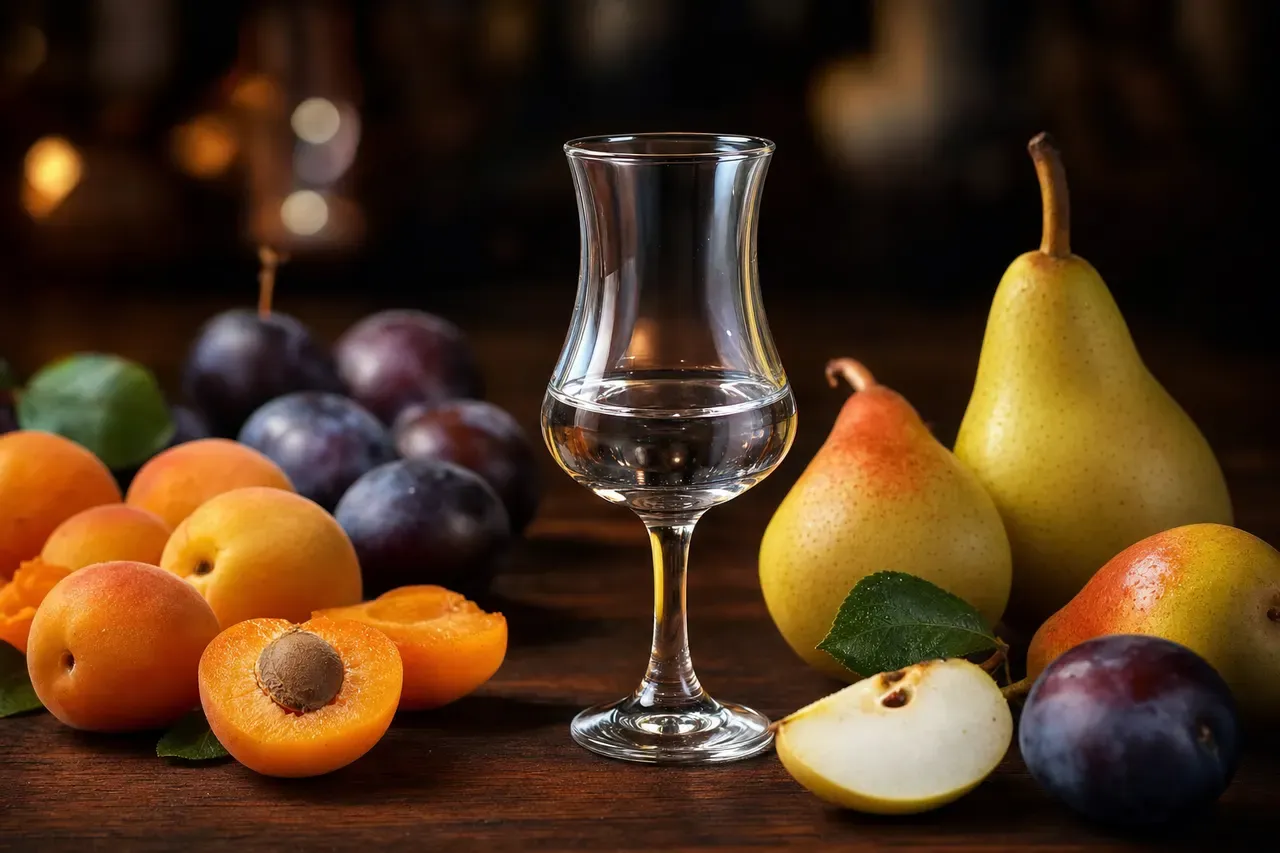 Hungarian spirits Pálinka: the Hungarian fruit brandy explained What is pálinka? How real Hungarian fruit brandy is made, the main varieties, how to drink it, how to spot the fake stuff, and what to bring home. Read more
 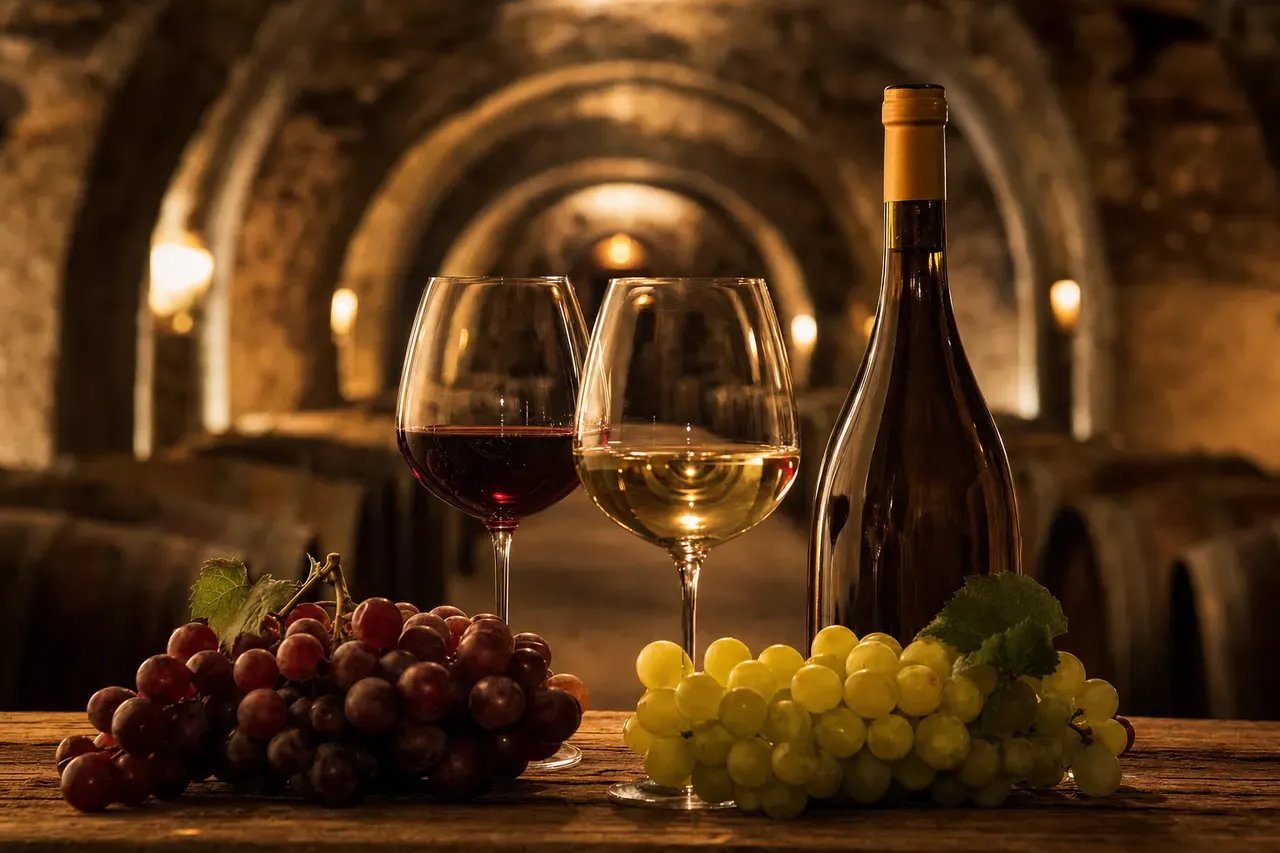 Hungarian wine Tokaji wine: the world's first classified region Tokaji explained: the sweet aszú, the rise of dry furmint, what puttonyos means, how to taste and pair it, and what to buy on a visit to Hungary. Read more
 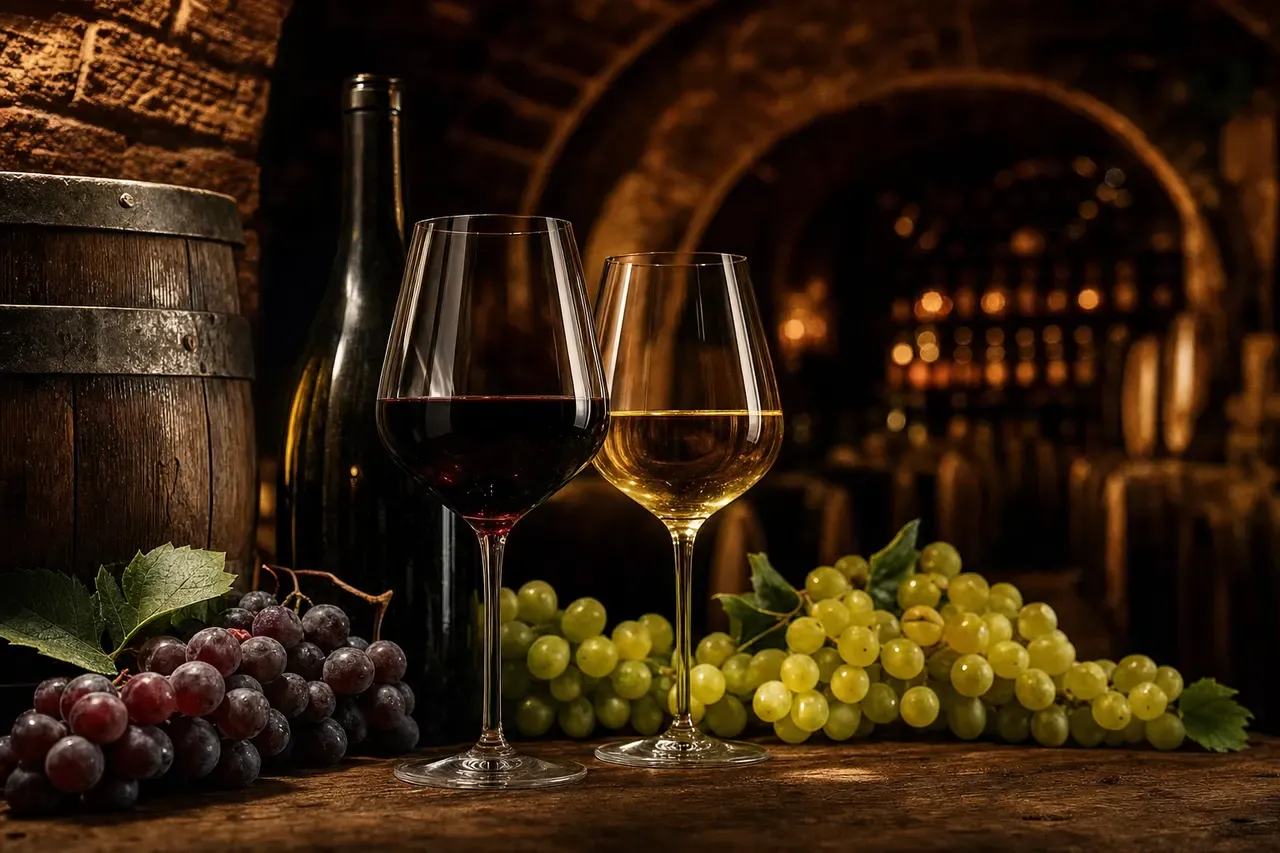 Hungarian wine Hungarian wine regions: a practical guide for visitors Hungary has 22 wine regions. Which ones matter, what they are known for, what to order, and where to go if you have one day — Tokaj, Villány, Eger, Szekszárd and Badacsony explained. Read more
 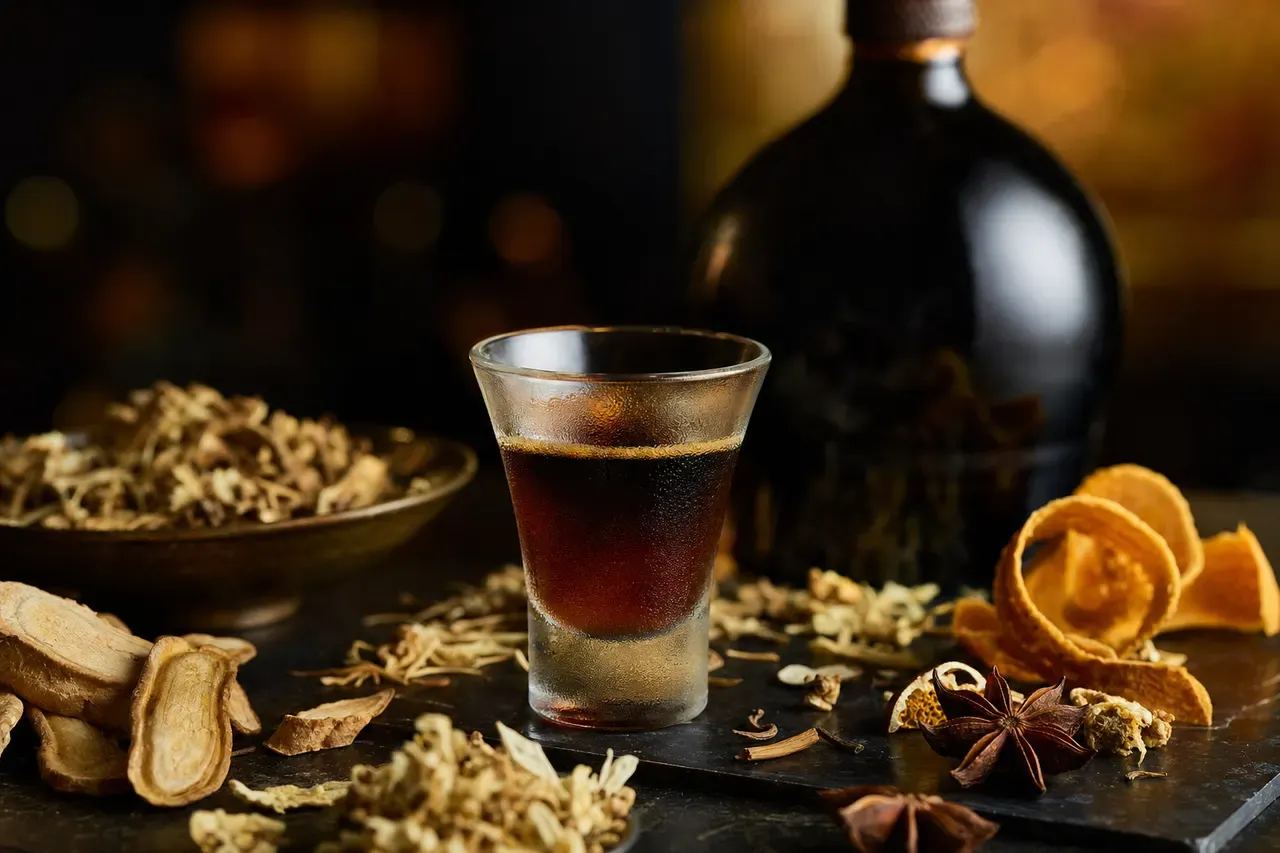 Hungarian spirits Unicum and Hungarian herbal liqueurs What Unicum tastes like, where it comes from, how Hungarians drink it, and which other bitter herbal liqueurs are worth trying in Hungary. Read more
 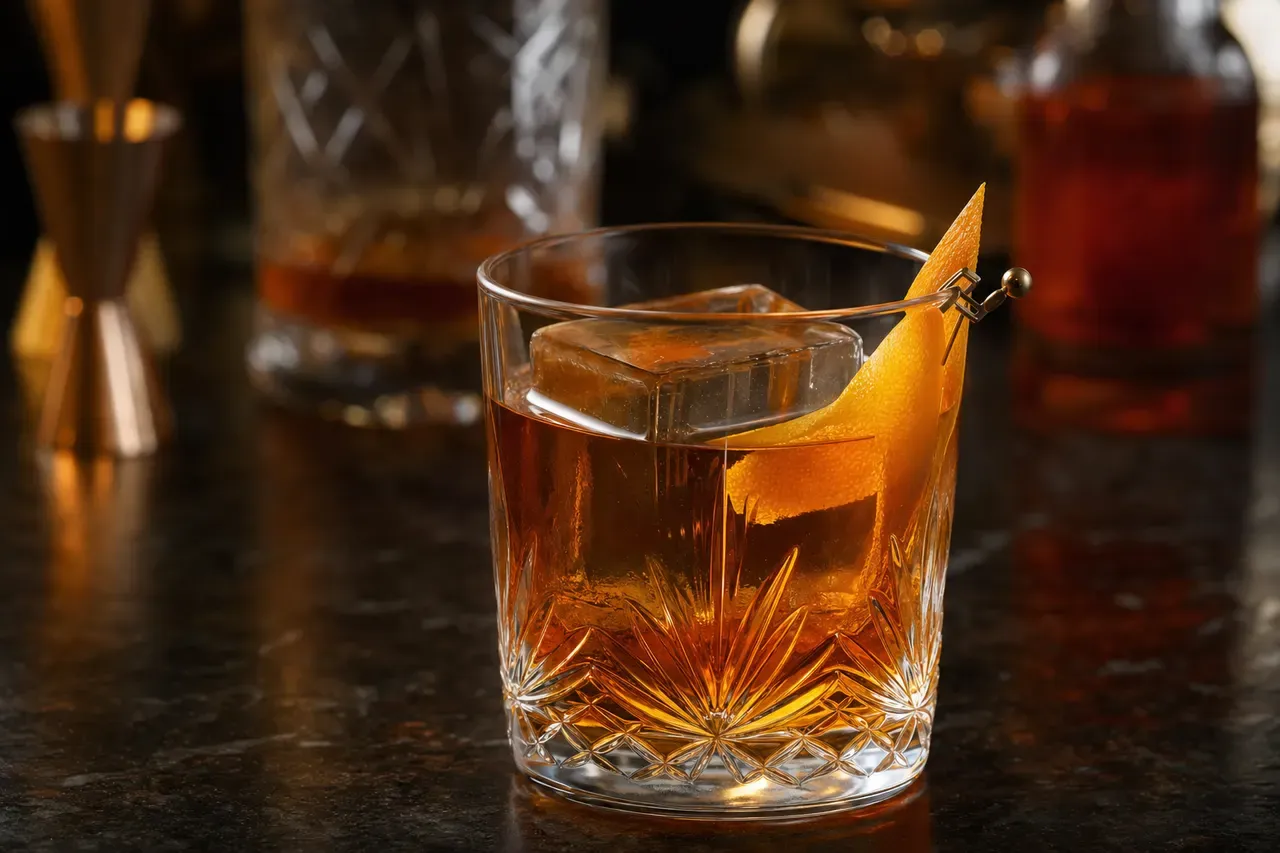 Visiting Hungary What to drink in Budapest: a short, honest list What to drink in Budapest without falling for tourist traps: fröccs, pálinka, Unicum, craft beer and Hungarian wine — what to order, roughly what it costs, and what to skip. Read more
 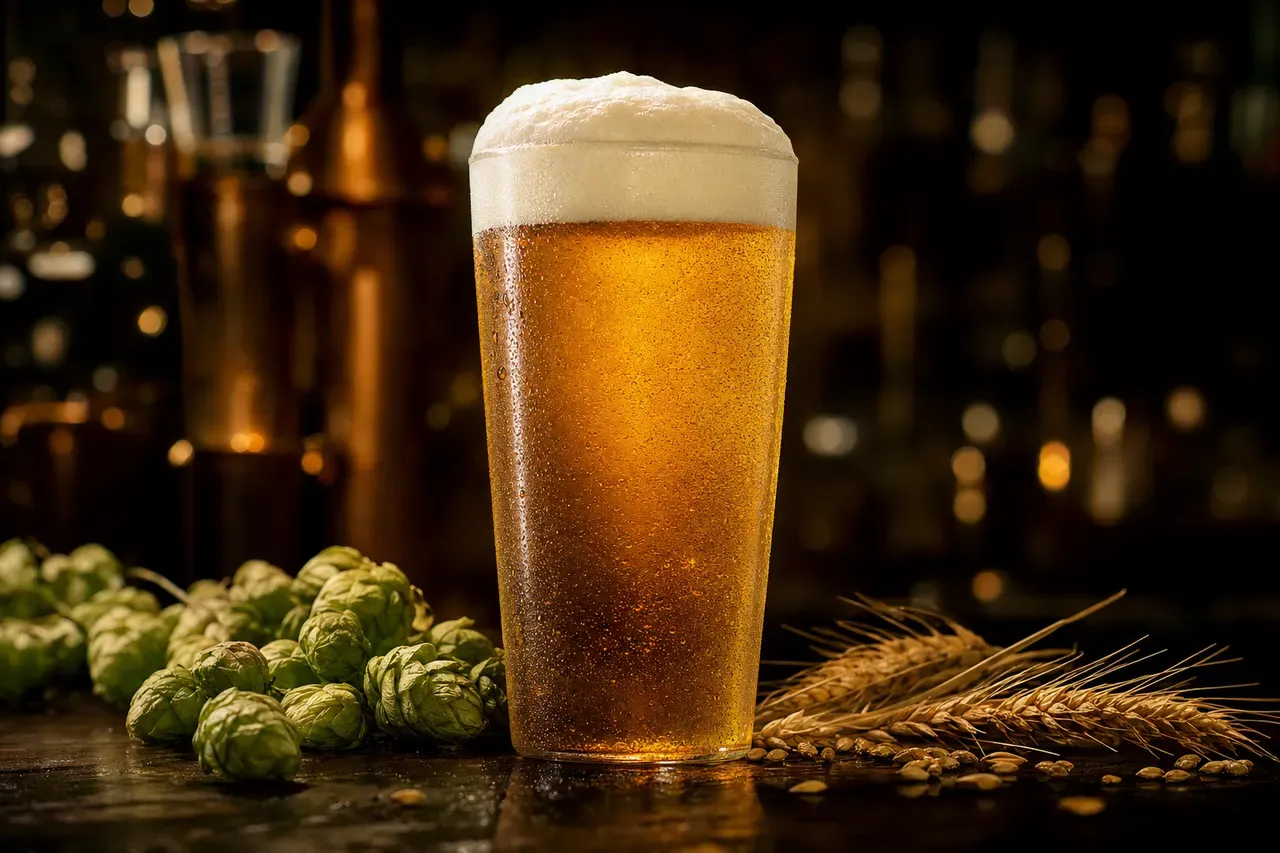 Beer Hungarian craft beer: what to drink in Budapest and beyond Hungary's craft beer scene explained: the styles local breweries do best, how to read the label, where to buy, and how it differs from the big lagers. Read more Cocktails & bars Hungarian cocktails and what to order in a Budapest bar What to drink in a Hungarian bar: pálinka-based cocktails, fröccs, Unicum drinks and the local classics — plus how to order them without guessing. Read more
 Frequently asked
What do Hungarians drink?
Wine, beer and pálinka, roughly in that order of cultural weight. Hungary has 22 wine regions and a wine culture going back to Roman times; beer is the everyday drink and dominated by pale lager, with a lively craft scene in Budapest; and pálinka, a fruit brandy, is the national spirit, drunk in small measures before or after a meal. In summer the most typical drink is fröccs — wine mixed with soda water. The best-known bitter liqueur is Unicum.
What is Hungary's national drink?
Pálinka, a fruit brandy distilled exclusively from fruit grown in Hungary, with no added sugar, flavouring or colouring. It is protected under EU law: only spirits meeting those rules may be called pálinka. Commercial bottlings are typically 37.5–50% ABV, most often 40%. Tokaji wine has an equally strong claim culturally, but pálinka is the drink Hungarians name themselves.
What are traditional Hungarian drinks?
Pálinka (fruit brandy), Tokaji aszú (sweet botrytised wine), Egri Bikavér and Villány reds, fröccs (wine with soda water), and Unicum (a herbal bitter). Among beers, pale lager is the everyday standard. Each of these is covered in its own guide below.
What is fröccs?
Wine mixed with soda water — the Hungarian summer drink. What makes it distinctive is that every ratio has its own name: kisfröccs is 1 dl wine + 1 dl soda, nagyfröccs is 2 + 1, hosszúlépés is 1 + 2, and the list runs to more than a dozen, up to the wine-heavy Krúdy-fröccs at 9 + 1. Ordering by name is part of the ritual.
What is Unicum?
A dark, bitter herbal liqueur made by the Zwack family, flavoured with a blend of herbs and aged in oak. It is drunk as a digestif — and by some as an aperitif — and is one of the most recognisably Hungarian drinks. Its taste is uncompromisingly bitter; the sweeter Unicum Szilva, made with plum, is the gentler way in.
Is Hungarian beer any good?
The mass-market lagers are unremarkable, but the Hungarian craft beer scene has grown substantially and is genuinely worth exploring, especially in Budapest. IPAs, sours and stouts from small breweries are widely available in dedicated beer bars and ruin bars.
Do Hungarians clink beer glasses?
Traditionally no — many Hungarians avoid clinking beer glasses, and will clink with wine or pálinka instead. The story usually told is that it dates to 1849, when Austrian officers were said to have clinked beer after executing Hungarian generals at Arad. Historians regard the direct link as unproven and probably later folklore, but the custom itself is real and still widely observed. Nobody will be offended if you forget.
The rest of the site is in Hungarian
alkohol.hu is a Hungarian-language drinks magazine: 35+ in-depth guides, 48 cocktail recipes, free calculators and a shop. If you read Hungarian — or your browser translates — there is a lot more here.
Alcoholic beverages are for adults only — 18+. Please drink responsibly and never drink and drive.