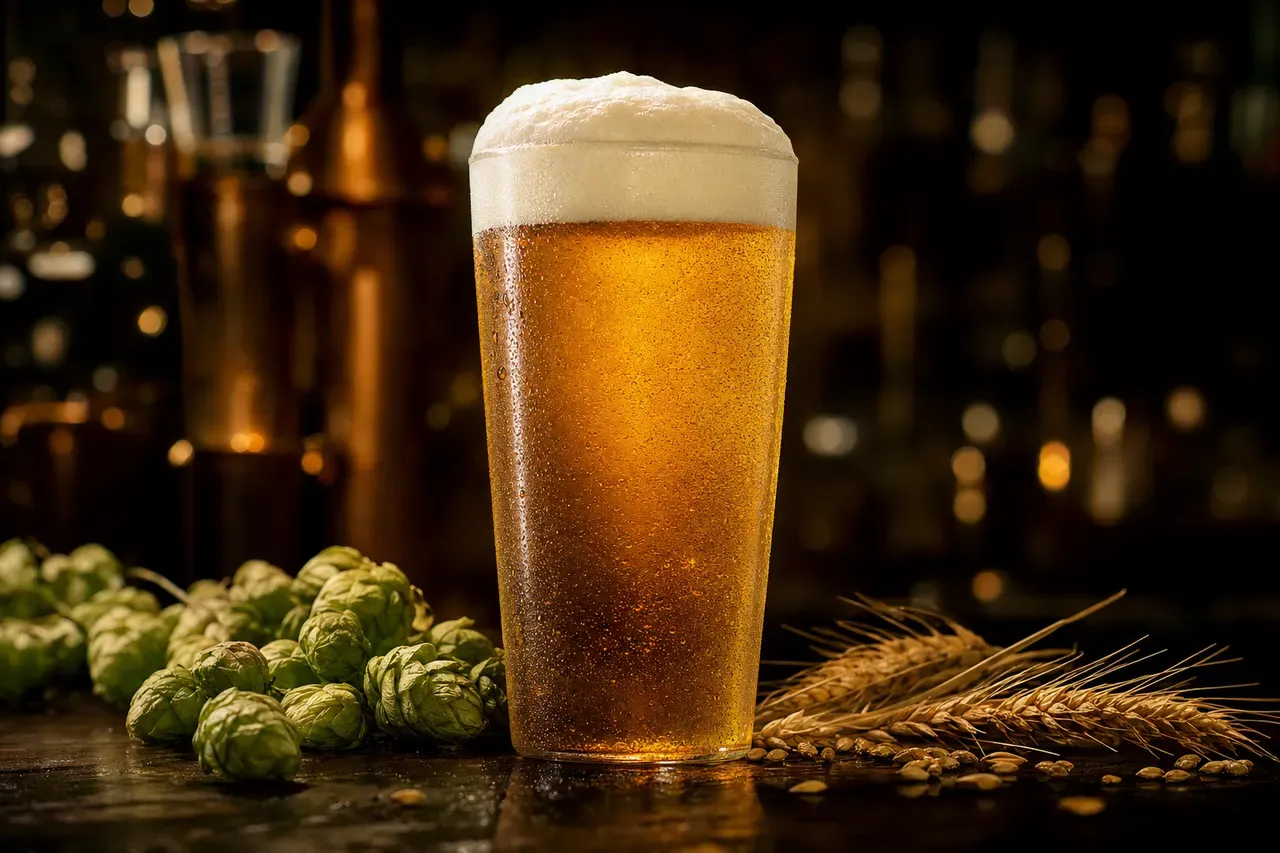
Hungary is a wine and pálinka country, and its mainstream beer is pale lager. That makes the craft beer scene here surprising: because there was no strong beer tradition to defend, Hungarian brewers went straight for the experimental end.
What the scene looks like
Dozens of independent breweries have opened over the past decade. Most larger towns now have a bottle shop or a taproom, and Budapest has a dense cluster of both. Two things Hungarian brewers do particularly well:
- Fresh hoppy styles — IPA, pale ale, session IPA. This is the backbone of the scene.
- Fruit beers with local produce — sour cherry, elderflower, raspberry, quince. Hungary grows these in abundance, and the results are far better than the syrupy stuff the category suggests.
You will also find excellent Czech-style lagers, which makes sense given the neighbourhood.
Craft vs the big lagers
| Craft | Mainstream | |
|---|---|---|
| Scale | Small, independent | Multinational groups |
| Focus | Style and character | Consistency and price |
| Grain | All malt | Often with rice or maize |
| Treatment | Frequently unfiltered, unpasteurised | Filtered, pasteurised |
| Shelf life | Short — keep cold | Long, shelf-stable |
The practical consequence: freshness matters. Hop aroma fades within weeks, so buy where stock moves quickly.
Reading a Hungarian label
Hungarian bottles often carry numbers that look cryptic but are useful:
- °Balling / °Plato — original wort concentration, i.e. roughly how full-bodied the beer is. Divide by 2.5 for a rough ABV estimate: 12° ≈ 5%.
- IBU — bitterness. Lager 10–20, pale ale 30–45, IPA 40–70.
- EBC — colour. 4–8 is pale gold, 60+ is black.
- Packaging date — for anything hoppy, the most important number on the label.
Ordering in Hungarian
A few words that help:
- Kézműves sör — craft beer
- Sörkülönlegesség — speciality beer (what shops call the non-lager shelf)
- Csapolt — draught
- Korsó (0.5 l) / pohár (0.3 l) — the two standard glass sizes
- Világos — pale; barna — brown/dark; búzasör — wheat beer
What to pair it with
Hungarian food is rich and paprika-heavy, which suits beer better than most wine. A malty amber lager or a bock stands up to goulash and stews; a crisp pilsner cuts through breaded, fried dishes; a stout is remarkable with chocolate desserts.
Read more, in Hungarian: our guides to craft beer, beer styles, IPA and beer and food pairing.